Top Tire Maintenance Tips for Your Chevrolet Colorado
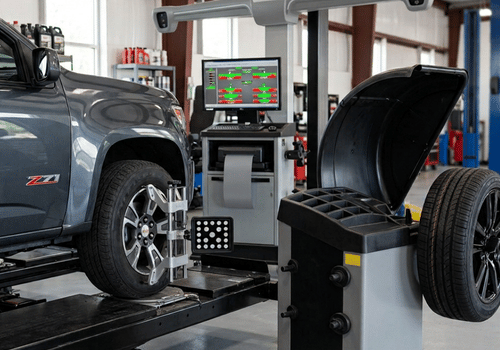
If you're noticing vibration while driving on the highway or uneven wear on your tires, you're likely dealing with a tire imbalance or wheel alignment issues. These problems often show up as your vehicle pulling to one side or the steering wheel not centering after a turn. We recently worked on a 2019 Chevrolet Colorado at Legacy Auto Care in Gap, PA, where our technicians found both imbalance and alignment drift caused by everyday driving. Using precision diagnostic tools and modern alignment technology, we balanced the tires and realigned the wheels to factory specs.
After a test drive confirmed everything was working properly, the customer experienced reduced highway vibrations, improved handling, longer tire life, and better fuel economy. This is the kind of result we regularly see in our Colorado service work.
- Issue: Highway vibration and uneven tire wear on a 2019 Chevrolet Colorado
- Root Cause: Tire imbalance combined with wheel misalignment from normal driving conditions
- Solution: Precision tire balancing and computerized wheel alignment to factory specifications
- Location: Legacy Auto Care, Gap, PA, serving Lancaster County since 2015
Are You Experiencing Any of These Issues with Your Chevrolet Colorado?
- Vibration at highway speeds: You'll typically notice it between 50 and 70 mph, when the vibration frequency syncs with your wheels' rotational speed. It's usually a sign that your tires are out of balance.
- Uneven tire wear patterns: When your wheels are misaligned or out of balance, your tires don't sit flat on the road. You might see more wear on the inner or outer edges, which points to alignment problems.
- Vehicle pulling to one side: If your Colorado drifts left or right and you have to constantly correct with the steering wheel, your alignment is off.
- The steering wheel doesn't return to center: After you turn, it should come back to center on its own. If it doesn't, you likely have alignment issues affecting your camber or caster angles.
- Recent pothole or curb impact: Even a minor hit can knock your balance and alignment out of whack. If you've hit something recently, get an inspection within a couple of days to catch any problems early.
How We Assessed the Tire and Wheel Systems on This 2019 Chevrolet Colorado
When this Colorado came into Legacy Auto Care, our ASE-Certified technicians took a close look at everything. We used precision diagnostic equipment to check tire wear across all four wheels, measured weight distribution using our computerized balancing system, and performed a full alignment check on our modern alignment rack. This gave us a complete picture of what was going on.
We found that the wheels had gradually drifted out of alignment due to regular driving. Road impacts and suspension settling over time had thrown things off. The vehicle was working against itself, which showed up as accelerated wear on the inner edges of the tires and extra strain on the engine that was eating up fuel. When we measured the alignment angles, we found that the camber was 1.2 degrees outside the acceptable range, the caster was uneven between the front wheels, and the toe angle was out of spec. All of these needed correction to get the vehicle back to proper geometry.
The real issue was that the imbalance and misalignment were feeding off each other. The unbalanced tires created vibration at highway speeds and put uneven pressure on the suspension, while the misaligned wheels accelerated the uneven wear and made the suspension work harder. We knew we had to fix both problems at the same time to really solve the issue and keep the vehicle running well long term.
How We Fixed the 2019 Chevrolet Colorado: Tire Mounting, Balancing, and Alignment
Our approach was straightforward and followed the manufacturer's service guidelines. First, we removed all four tires and inspected them closely for wear patterns, sidewall damage, and any internal problems. We then put each tire on our Hunter Road Force balancer, which not only detects static imbalances but also captures dynamic load variations that other equipment might miss. We identified where the weight was off and applied counterweights to bring everything into balance. This step alone eliminated the highway vibrations and took stress off the suspension components, which typically means your tires will last longer.
Next came the alignment work. We used our computerized alignment rack to measure every angle against the factory specs for the 2019 Colorado. The front camber was at 1.2 degrees negative when it should have been between 0.5 and 0.5 degrees; the rear toe was off by 0.3 degrees; and there was a 0.8-degree difference between the left and right caster angles. We adjusted everything using the suspension's adjustment points until all four wheels were back in proper alignment. This ensures each tire makes even contact with the road and that weight stays balanced whether you're accelerating, braking, or turning.
After we reinstalled the balanced tires, we took the vehicle for a thorough test drive to make sure the vibrations were gone and the vehicle wasn't pulling anymore. The steering wheel returned to center naturally, and the handling felt responsive. We also replaced the cabin air filter and engine air filter to keep the climate control and engine running efficiently, and we swapped out the high-mount brake light to restore full safety visibility. Everything came back into spec, and we gave the owner a printed alignment report to keep for their records.
Questions About Tire and Alignment Maintenance
What should I do if my vehicle vibrates at highway speeds with uneven tire wear?
Schedule an inspection within the next week. These symptoms point to a tire imbalance or misalignment, both of which affect your vehicle's handling and your safety. We can diagnose the problem in about 30 minutes using our computerized equipment. Try to avoid long highway drives until you get it checked out, since continuing to drive can cause more damage to your suspension and tires, which gets expensive fast.
How does tire balancing affect my vehicle's fuel efficiency?
Balanced tires reduce vibration and rolling resistance, which means your engine doesn't have to work as hard. Unbalanced tires force your engine to overcome extra friction and vibration, burning more fuel in the process. When your tires are properly balanced, your vehicle runs more efficiently, and you spend less on gas.
What can I expect during the tire mounting, balancing, and alignment service?
We'll remove all four tires and look them over for wear and damage. Each tire is mounted on our Hunter Road Force balancer to identify and correct weight distribution problems. Then we perform a complete wheel alignment using our computerized rack, checking camber, caster, and toe angles against your vehicle's factory specs. The whole process usually takes 2 to 3 hours. We finish with a road test to verify everything is working right, and you'll get a detailed alignment report showing all the measurements and adjustments we made.
Why should I invest in regular wheel alignment for my vehicle?
Regular alignment extends tire life, improves fuel economy, and makes your vehicle safer and easier to handle. Misaligned wheels wear out tires faster, forcing you to replace them sooner and use more gas. Proper alignment means your vehicle will handle predictably in emergency situations and puts less stress on your suspension, saving you money on repairs down the road while keeping you safer. Most manufacturers recommend an alignment check once a year or every 12,000 to 15,000 miles.
How can I prevent tire imbalance and misalignment in my Chevrolet Colorado?
Check your tire pressure once a month and keep it at the level listed on your door jamb. Even 5 psi below can accelerate wear and affect alignment. Steer clear of potholes and curbs when you can, and if you do hit something, get an inspection within 48 hours. Have your tires balanced every 5,000 to 7,000 miles or whenever you feel vibration. Get your alignment checked once a year, or sooner if you notice pulling, uneven wear, or steering issues. These simple steps will help your tires last longer, and your vehicle run smoothly.
Why Tire and Alignment Maintenance Matters
Tire maintenance is one of the most important things you can do for your vehicle, yet many people overlook it. Your tires are the only thing between your vehicle and the road, so their condition directly affects your safety, how much gas you use, and how much you enjoy driving. We recently serviced a 2019 Chevrolet Colorado at Legacy Auto Care that shows exactly why staying on top of tire and alignment work is so important. The vehicle came in with highway vibrations and uneven wear that, if ignored, would have led to the need for new tires sooner and potentially serious suspension damage down the line.
The Long-Term Value of Staying Proactive
When you keep your tires properly mounted, balanced, and aligned, they work together to extend tire life, improve your vehicle's handling, enhance safety, and save you money on gas. Skip these services, and you'll end up replacing tires prematurely, burning more fuel, and losing control in emergencies. By staying on top of tire and alignment maintenance, you're protecting your investment and keeping yourself safe. Our customers who stick to a regular tire and alignment schedule report fewer surprise repairs and consistently better vehicle performance, regardless of driving conditions.
At Legacy Auto Care, we believe in being honest and transparent. We've been serving Lancaster County since 2015, backed by ASE-certified technicians and modern diagnostic equipment. We won't recommend services you don't need, but we'll always be straight with you about what your vehicle needs to stay safe and efficient. That's what sets Legacy Auto Care apart. We treat your vehicle like it matters, because it does.
Keep Your Vehicle Running Smoothly with Tire Mounting, Balancing, and Alignment in Gap, PA
Regular maintenance keeps your vehicle running well and keeps you safe on the road. Legacy Auto Care in Gap, PA, offers comprehensive tire mounting, balancing, and alignment services using modern diagnostic equipment and ASE-certified technicians. Most tire and alignment work takes 2 to 3 hours, and we provide detailed documentation of all measurements and adjustments. Don't wait for vibrations or pulling to show up. Call us at 717-442-8285 or book your tire and alignment inspection online. We're at 123 Main Street in Gap, PA, with online scheduling and same-day service availability for most appointments.
Recent Posts